August 13, 2025
In Wind River Country, vast plains roll into rugged peaks, alpine lakes shimmer beneath open skies and untamed rivers carve through high desert and forest. Spanning nearly six million acres of untouched, wild terrain, this landscape is home to one of the most diverse and intact wildlife populations in the West. This dramatic landscape has an incredible variety of wildlife and habitats, thriving far from the crowds. Whether you’re a visitor, photographer, wildlife enthusiast or part of the local community, this guide is for those who come to observe, photograph and learn about the wildlife that calls this place home.
What Makes Wind River Country One of Wyoming’s Best Wildlife Areas
Wind River Country is home to national forests, state parks and some of the most remote wilderness in the Lower 48. With elevations ranging from open plains to towering alpine peaks, this region supports a remarkable range of wildlife, from moose and mountain lions to sage grouse and golden eagles.
Here, conservation isn’t just policy—it’s tradition. Low development and wide-open spaces create critical habitat, and generations of stewardship led by locals have helped protect these lands and the wildlife that call them home. The Eastern Shoshone and the Northern Arapaho tribes continue to lead in wildlife reintroduction and land protection efforts that honor both cultural and ecological heritage. Wind River Country is where wildlife still thrives—untamed, undisturbed and deeply connected to the land.
Animals You Can See Around Wind River Country at a Glance
From roaming bison to high-country moose, Wind River Country is rich with wildlife. Use this quick guide to spot local icons like elk, sage grouse, wild horses, bears and more—then read on to learn where and when to find them.
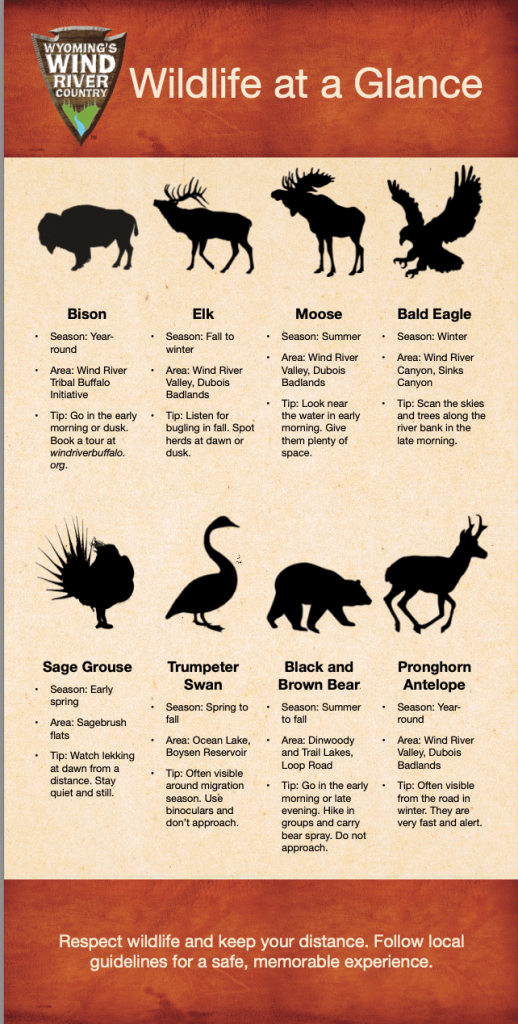
Where to See Bison, Elk and Other Big Game
Start your wildlife journey with bison—now thriving thanks to the Wind River Tribal Buffalo Initiative, which offers guided tours that highlight the bison’s deep cultural significance on tribal lands. Beyond bison, the Wind River Valley and Dubois Badlands are excellent places to spot elk, pronghorn and moose. Elk are most active during the fall rut, while moose are easier to find in summer near rivers and wetlands. Other hotspots include the Loop Road, the Owl Creek foothills and the open plains throughout Wind River Country.
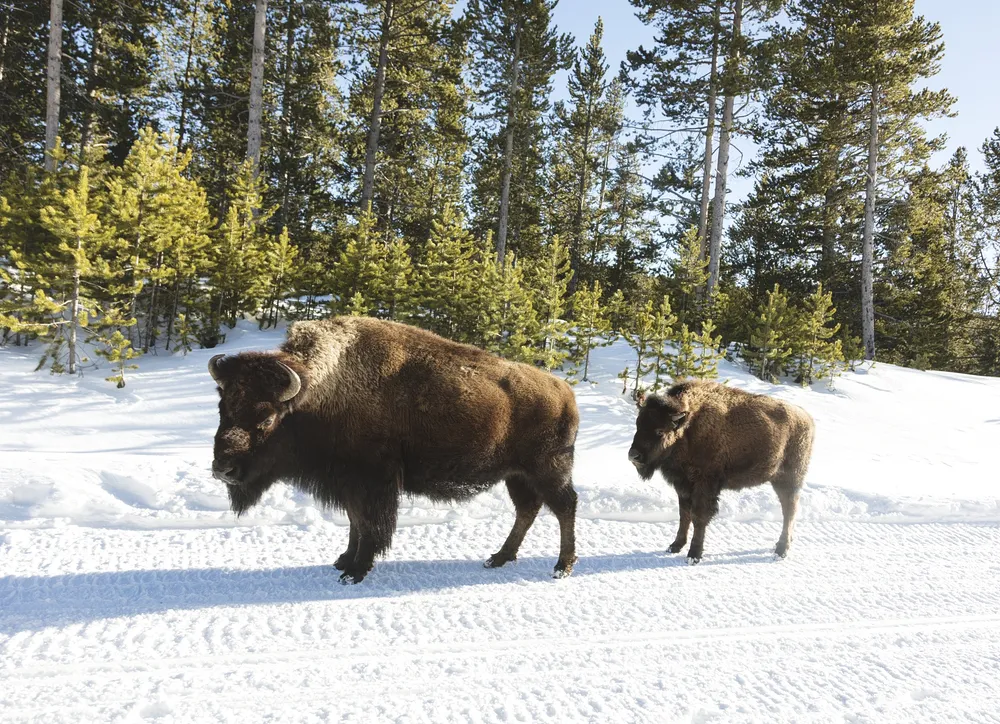
For the best viewing experiences, aim for dawn and dusk—bring binoculars, a camera and patience. Always follow wildlife etiquette: never approach animals, stay inside your vehicle during roadside viewing and give wildlife plenty of space. Observing these creatures responsibly ensures both your safety and theirs.
Best Places for Birdwatching
Wind River Country is a birdwatcher’s paradise. Top spots like Ocean Lake Wildlife Habitat, Red Canyon and Wind River Canyon are some of the best birding spots to see species such as bald eagles, peregrine falcons, trumpeter swans and sage-grouse. In early spring, sage-grouse gather on open sagebrush flats at dawn for an ancient mating ritual called lekking—males puff up, fan their tails and perform rhythmic displays to attract females. During the winter months, bald eagles are best seen in the late morning, soaring above the canyons or perched along rivers and lakes in search of prey. Peregrine falcons can be spotted nesting on sheer cliffs in Sinks Canyon and Wind River Canyon. Ocean Lake offers tranquil viewing of migrating trumpeter swans at sunrise and sunset. Culturally, bald eagles carry deep sacred meaning for both the Eastern Shoshone and the Northern Arapaho tribes, symbolizing courage, wisdom and spiritual connection. Early‑morning or late‑afternoon outings offer the best light, quieter trails and peak bird activity for a truly memorable experience.
Wildlife Viewing in Wetlands, Rivers and Lakes
Wind River Country’s wetlands, rivers and lakes are teeming with life, offering peaceful settings to spot wildlife and enjoy the outdoors. Boysen Reservoir and Ray Lake attract waterfowl like ducks and trumpeter swans, especially during migration seasons. Along the Little Wind River and Popo Agie tributaries, you may catch glimpses of frogs, turtles, beavers and otters.
Many areas feature accessible trails and scenic picnic spots, making them perfect for family outings and beginner wildlife watchers. As you explore, remember to practice responsible fishing and wildlife ethics: pack out all trash and observe quietly without disturbing animals or their habitats.
How to Spot Moose, Bears and Mountain Wildlife in Wind River Country
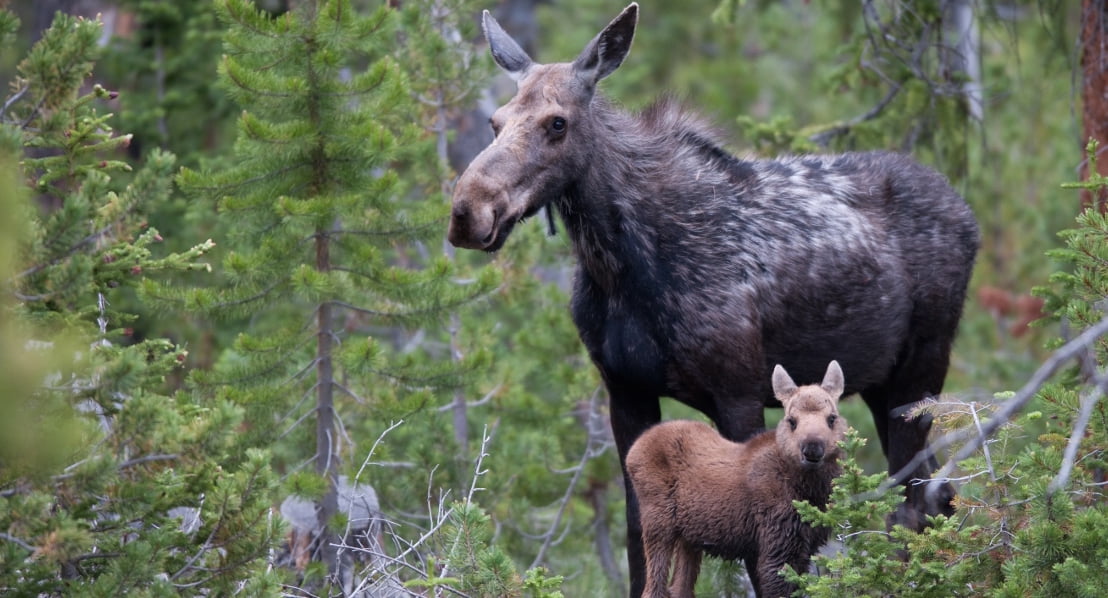
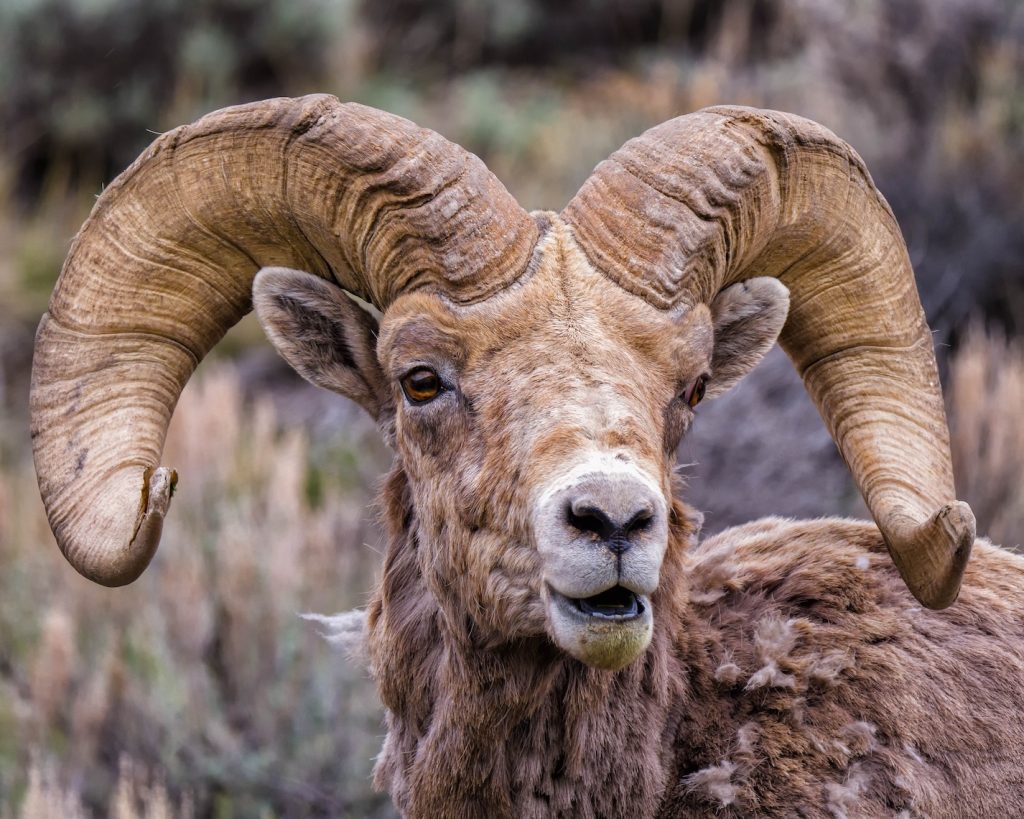
The alpine landscapes of Wind River Country are home to some of the region’s most iconic wildlife. High-country species like moose, black bears, grizzlies, bighorn sheep and pikas thrive in the rugged terrain near the Dinwoody and Trail Lakes, Togwotee Pass, the Loop Road and along alpine streams—many of which require permits to access. Early morning and late evening hikes often offer the best chances to spot animals, with the added bonus of soft light, perfect for photography. For your safety and the well-being of the wildlife, always hike in groups, carry bear spray, make noise on the trail and observe animals from a safe distance.
When to Visit for the Best Wildlife Experiences
Wind River Country offers incredible wildlife viewing year-round, with each season bringing unique highlights. In spring, catch sage-grouse lekking at dawn, migrating birds and newborn wildlife. Summer brings sightings of moose near lakes, bears foraging and active trout in cool mountain streams. Fall is prime time for the elk rut, bison behavior and raptor migration. Winter reveals bald eagles along rivers and bighorn sheep in the canyons. Dawn and dusk are the best times to spot wildlife, when animals are most active. Always plan ahead for weather, permits and local events to make the most of your visit.
Tips for Safe and Respectful Wildlife Viewing
Respect for wildlife and their habitat is key to a rewarding experience in Wind River Country. Never feed animals or approach them too closely—always maintain safe distances and avoid blocking trails or roads. Carry bear spray, stay alert and keep children and pets in close contact, especially in bear country. Permits may be required for hiking, fishing or backcountry access, so plan ahead and follow all regulations. Enhance your experience by using field guides, wildlife apps or joining ranger-led tours to learn more about local species. When photographing animals, use zoom lenses and avoid disturbing wildlife—patience and respect yield the best photos while keeping both you and the animals safe.
How Local Conservation Protects Wind River Country’s Wildlife and Habitat
Wind River Country’s rich biodiversity thrives thanks to strong partnerships among state agencies, nonprofits, local communities and tribal groups. Collaborative efforts include sage-grouse habitat protection to preserve crucial breeding grounds and river restoration initiatives that improve water quality and aquatic ecosystems. These conservation initiatives have led to inspiring successes, including the gradual expansion of grizzly bear ranges and increasing populations of raptors such as peregrine falcons. Indigenous-led conservation contributes traditional knowledge and stewardship practices, such as the bison reintroduction project. You can support these efforts by respecting wildlife viewing guidelines, volunteering with local organizations or donating to conservation programs.
Discover the Wild Beauty of Wind River Country for Yourself
From wide-open sagebrush plains to alpine lakes and high mountain peaks, Wind River Country is a place where wildlife still roams free. Whether you’re spotting moose along a trail or listening to the call of migrating birds, there’s something wild waiting around every bend.
Residents and visitors alike are invited to explore the region’s trails, waters and skies—with help from local guides and welcoming visitor centers. For a safe and rewarding adventure, check travel resources, safety tips and consider supporting conservation efforts through donations to help protect Wind River Country’s wild beauty for generations to come.
Posted in Things to do