



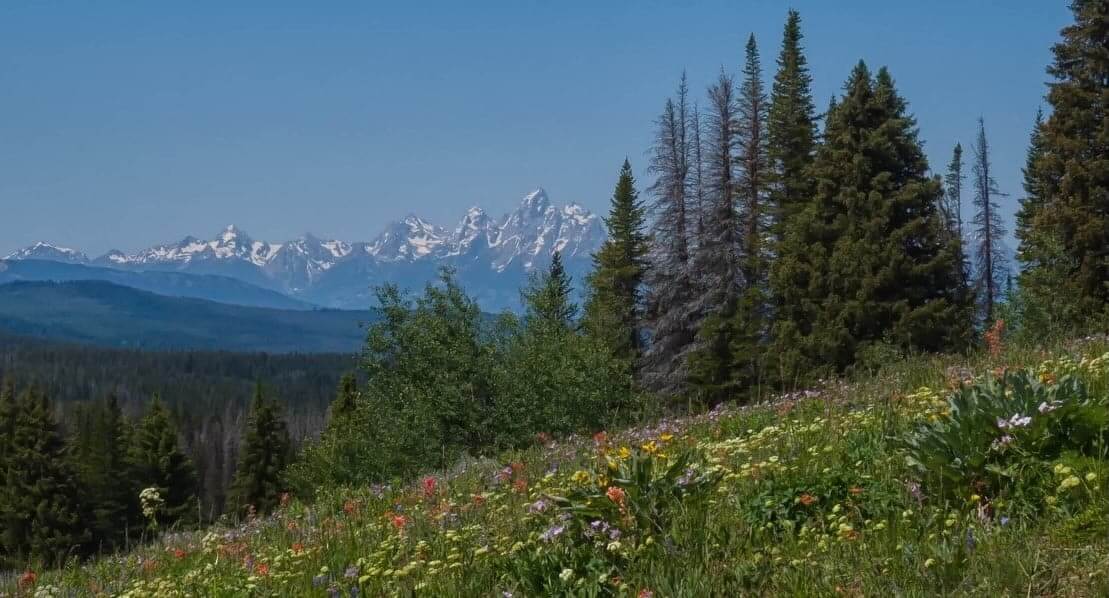
Knowing some of the bear safety tips can save your life. “Anytime you’re in Wind River Country, there’s a possibility of encountering both species of bears,” says Brian Debolt, Wyoming Game and Fish Department large carnivore coordinator.
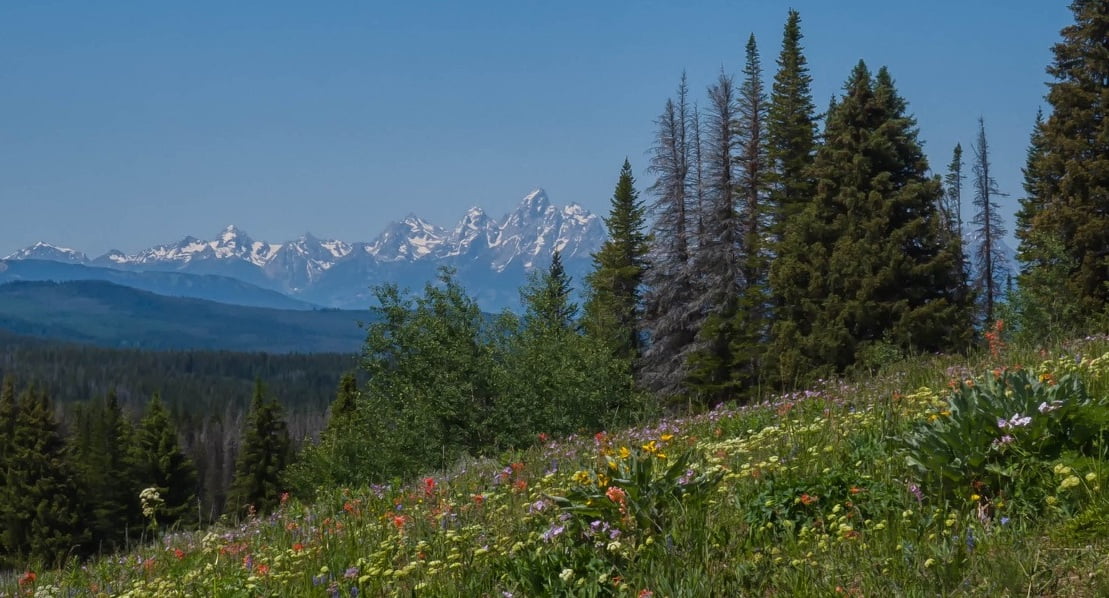
Bears don’t see the same boundaries—state parks, for example—that we do, so expect them to behave and move cross-country exactly as the wild animals that they are would.
“There’s nothing to be afraid of,” he adds, explaining that bears are about as interested in an encounter as you are. In fact, most bear encounters are surprises for both parties. To avoid an unpleasant surprise for these wild animals and for yourself, take these simple precautions:
Before You Encounter a Bear
- Hike in groups. More people make more noise and smell stronger to alert bears to your presence. More eyes make it easier to spot bear sign and bears, be it for a photography opportunity or in time to walk away before the bear realizes you’re there.
- Carry bear spray, and know how to use it.
- Be able to recognize bear sign: tracks, scat, diggings, attractants.
- When you see sign, start making more noise and have your bear spray ready.
- When you encounter an attractant like berry bushes or a carcass, leave the area and make noise as you do.
When You Spot a Bear
- Be able to differentiate between grizzly and black bears, as they will react to perceived threats in different manners, and you should therefore interact with them differently.
- When you do see a bear, respect its personal space. If the bear is at a safe distance (at least 100 yards) and unaware of you, take in this special moment and maybe even shoot some photos.
- Many bears near and in Yellowstone and Grand Teton National Parks may seem indifferent to your presence, but that can be deceiving. When you breech a bear’s personal bubble, dangerous things happen quickly.
- When you spot a bear near the road and decide to stop and watch, which is appropriate, be sure you do so safely:
- Slow down, signal, then pull entirely off the road before parking.
- Do not exit the vehicle unless you are a safe and legal distance (100 yards) from the wildlife. If you do get out of the car, watch for traffic and other wildlife and be courteous of other human viewers.
- Never approach a bear, and be particularly cautious if you see a sow with cubs or a bear with a carcass, as they will be very protective.
If a Bear Notices You
With enough education, you will be able to take the best action based on the bear’s response to your presence.
- If you are far enough away that the bear doesn’t mind your presence, take some time to watch—they’re remarkable creatures. Snap some photos, maintain awareness of your surroundings, and be prepared to back away if the bear ends up moving closer to you.
- If it is a grizzly, be aware that this bear has evolved to be more aggressive than a black bear if it feels threatened.
- If the bear becomes aggressive or defensive toward you, remember it is protecting something or has been taken by surprise and therefore feels threatened by you. It will display stress by popping its jaw, swatting with its pays, moaning, woofing, or bluff charging
Responding to a Bear’s Awareness
- Do not run.
- Remain calm, slowly back out of the area, and have a defense ready.
- Do not challenge the bear with any aggressive body language or direct eye contact.
- If the bear begins to approach, stand your ground and use bear spray if available.
- If the bear makes contact or is about to make contact, drop and cover by lying flat on your stomach and interlacing your fingers and placing them on the back of your neck. Do not fight back.
- Once the bear feels the threat is neutralized it will stop attacking.
- If the bear is intently interested in you, approaches without displaying the above stress indicators, or enters your tent, this is highly unusual predatory behavior.
- Do not back down
- Act aggressively towards the bear.
- Make yourself look as big as possible by holding your arms out and using your coat and standing on a log or rock.
- Yell at the bear in a loud firm voice.
- Use branches, rocks, and bear spray to deter the bear.
Resources
The Wyoming Game and Fish Department is happy to educate you, answer your questions, and hear your reports. Don’t hesitate to contact the office nearest you.