



Explore Shoshone National Forest WY
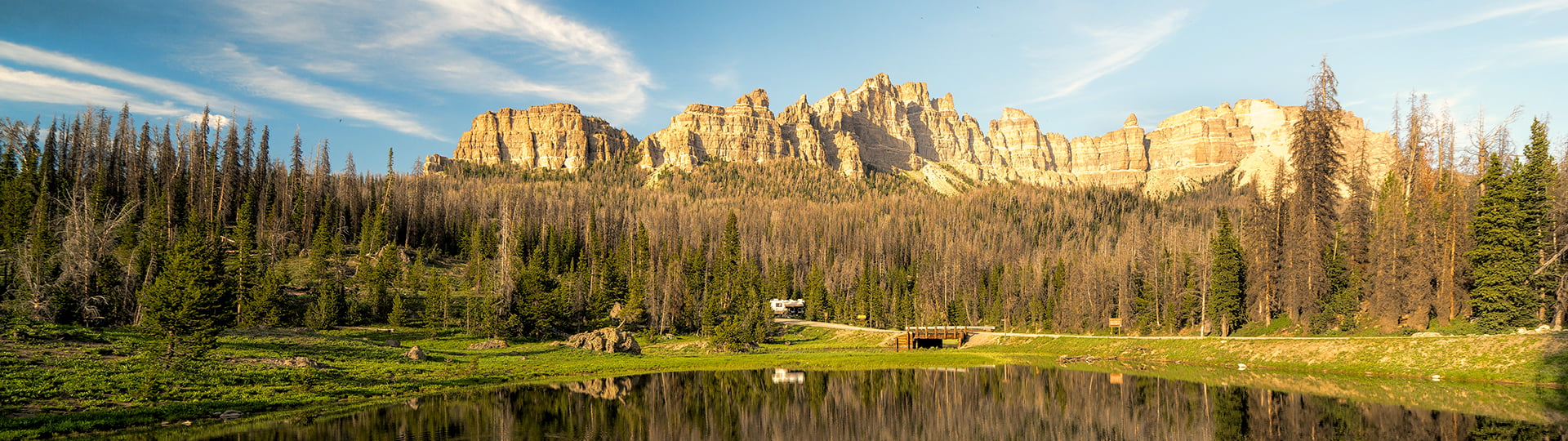
If you’ve ever looked at a map of Wyoming and thought, “There has to be more to this state than Yellowstone’s busiest spots,” you’re onto something. Welcome to Shoshone National Forest, the oldest national forest in the United States — a jaw-droppingly beautiful landscape that many travelers pass on their way to Yellowstone, often without realizing what they’re missing. For those willing to slow down and explore, the reward is wide-open wilderness, remarkable scenery and a quieter side of Wyoming.
Stretching across nearly 2.5 million acres of the Rocky Mountains in northwestern Wyoming, Shoshone National Forest is the kind of place where it’s still possible to find long stretches of trail and open landscape without heavy crowds, camp under stars so bright they feel like a personal light show and spot grizzly bears, moose and bighorn sheep without the shoulder-to-shoulder crowd experience that defines many of America’s most famous parks. This is a national forest in Wyoming that rewards the curious, the adventurous and frankly, the patient — because some of the best things in life, including the best landscapes, take a little effort to find.
Here’s what makes Shoshone National Forest WY so special, and why it deserves a serious spot on your travel itinerary — whether you’re planning a long weekend escape or an epic 60-day Western road trip.
Five things every traveler should know about Shoshone National Forest WY:
- It’s America’s Oldest National Forest — Established in 1891 by President Benjamin Harrison, Shoshone holds the title of the first national forest in the United States. History buffs, that’s your fun fact for the campfire.
- Wildlife viewing is exceptional — Grizzly bears, black bears, wolves, elk, moose, bighorn sheep and mountain goats all call this forest home. Bring your camera and your patience — and maybe some bear spray.
- Hiking ranges from easy to epic — Whether you want a casual stroll through wildflower meadows or a multi-day backcountry push into the Absaroka or Wind River mountain ranges, the trail options here are genuinely world-class.
- It borders Yellowstone National Park — Shoshone National Forest literally wraps around the eastern side of Yellowstone, offering visitors another way to experience Wyoming’s dramatic mountain landscapes at a quieter pace.
- Dispersed camping is allowed — One of the most beloved perks of national forest land is the freedom to camp away from designated sites. Shoshone National Forest dispersed camping lets you pitch your tent in places that feel utterly removed from the modern world.
Where Is Shoshone National Forest?
So, where is Shoshone National Forest, exactly? Great question — and one worth answering clearly, because its location is actually one of its biggest selling points. Shoshone National Forest is located in northwestern Wyoming, bordered to the west by Yellowstone National Park and the greater Yellowstone ecosystem, to the east by the Bighorn Basin, to the north by Montana and to the south by the Wind River Indian Reservation. It spans five Wyoming counties — Park, Fremont, Hot Springs, Big Horn and Teton — and is divided into five ranger districts: Clarks Fork, Wapiti, Greybull, Wind River and Washakie.
For travelers approaching from the south, Dubois serves as one of the most inviting gateways to Shoshone National Forest. Nestled between rugged red cliffs and sweeping mountain views, this historic Western town offers the perfect balance of character and convenience before heading deeper into the wilderness. Visitors will find welcoming lodging, local restaurants, outfitters and easy access to some of Wyoming’s most spectacular backcountry landscapes — all while experiencing the slower pace and authentic charm that make Dubois such a memorable stop in its own right.
For travelers heading to Shoshone National Forest, Central Wyoming Regional Airport offers one of the most convenient access points to the southern portion of the forest and nearby communities like Dubois. Additional regional airports include Jackson Hole Airport, while larger flight hubs can be found in Billings and Denver. Renting a car is highly recommended — this is Wyoming, where scenic highways, wide-open spaces and unforgettable landscapes are all part of the journey.
Shoshone National Forest Map and Getting There
Before you head out, getting your hands on a Shoshone National Forest map is not just helpful — it’s essential. Cell service in the forest ranges from spotty to nonexistent, which is either terrifying or liberating depending on your relationship with your phone. The U.S. Forest Service publishes detailed motor vehicle use maps for each ranger district, available at ranger stations and online through the USFS website. For serious hikers and backpackers, USGS topographic maps or apps like Gaia GPS downloaded offline are highly recommended.
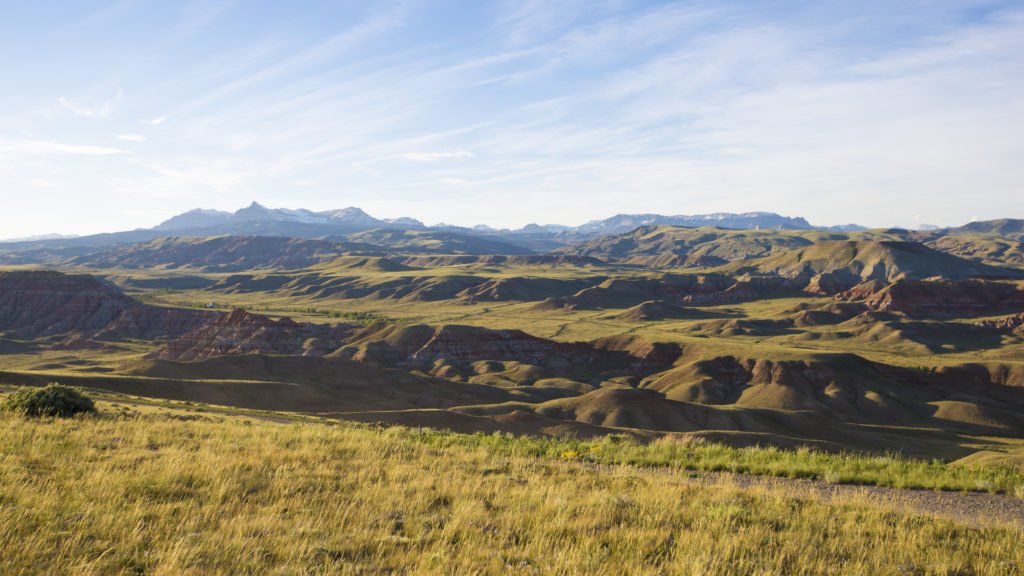
One of the most scenic approaches to Shoshone National Forest follows US Highway 26/287 through Dubois, where dramatic red rock formations, winding rivers and mountain views create a memorable introduction to the landscape. This southern corridor offers easy access to hiking trails, campgrounds, fishing areas and backcountry adventures throughout the forest and nearby wilderness areas. Like many drives in Wyoming, the route is best enjoyed slowly — with countless overlooks, wildlife sightings and photo-worthy moments along the way, expect the journey to take a little longer than the map suggests.
A Yellowstone Alternative Worth Visiting
Let’s be honest — Yellowstone National Park is one of the most iconic destinations in the country, and for good reason. Each year, millions of visitors travel there to experience its geysers, wildlife and unforgettable landscapes. During the height of summer, that popularity can also mean busy trails, crowded overlooks and slower travel times. For travelers seeking a quieter pace and more room to roam, Shoshone National Forest offers a different kind of experience — one defined by open space, solitude and the feeling of discovering a lesser-known side of Wyoming.
As a quieter alternative to the crowds often associated with Yellowstone National Park, Shoshone National Forest offers something increasingly rare in outdoor travel: genuine solitude. Near Dubois, visitors can explore rugged mountain landscapes, alpine lakes and expansive wilderness areas where the pace slows and the scenery speaks for itself. From scenic drives near Togwotee Pass to trails leading deep into the forest and surrounding wilderness, the region delivers the same sense of scale and adventure that draws travelers to northwest Wyoming — often with far fewer crowds.
And here’s a not-so-secret secret: wildlife doesn’t care about park boundaries. The same grizzlies, wolves and elk that attract visitors to Yellowstone roam freely into Shoshone National Forest. You’ll encounter them here with far fewer witnesses around.
Why Skip the Crowds and Head Here Instead
The appeal of Yellowstone National Park is easy to understand — its geysers, wildlife and geothermal features are unlike anywhere else in the world. But for travelers looking to balance those iconic experiences with a quieter pace, Shoshone National Forest offers an entirely different kind of connection to the landscape. Around Dubois, visitors can trade busy overlooks for open trails, alpine scenery and evenings spent beneath remarkably dark skies.
Many travelers choose to base their trip in Dubois, using the town as a gateway for exploring the forest, nearby wilderness areas and scenic byways while still remaining within reach of Yellowstone for a day trip. It’s an opportunity to experience both the energy of one of America’s most famous national parks and the quieter, wide-open character that defines this corner of Wyoming.
Camping in Shoshone National Forest
One of the greatest advantages of exploring Shoshone National Forest near Dubois is the wide variety of camping experiences available. Travelers can choose from developed campgrounds with amenities like picnic tables, fire rings and vault toilets, or seek out quieter, more remote settings deeper within the forest and surrounding wilderness areas.
The southern portion of the forest offers easy access to scenic campgrounds near rivers, mountain trails and high-elevation landscapes, making it an ideal basecamp for hiking, fishing, wildlife viewing and exploring nearby scenic byways. For those looking for a more flexible adventure, dispersed camping is also permitted throughout much of the forest, allowing visitors to experience Wyoming’s wide-open spaces at their own pace.
Many developed campgrounds can be reserved through Recreation.gov during the busy summer season, and booking ahead is recommended for peak travel months.
Dispersed Camping: Your Wild Wyoming Option
For many travelers, dispersed camping is one of the most memorable ways to experience Shoshone National Forest. Unlike traditional campgrounds, dispersed camping allows visitors to stay outside designated sites in approved areas throughout the forest, offering a quieter and more flexible way to experience the landscape.
Near Dubois and the surrounding Wind River District, dispersed camping provides access to expansive mountain scenery, forested valleys and some of Wyoming’s most peaceful outdoor settings. Visitors can spend evenings beneath dark skies, wake to sweeping views and enjoy a stronger sense of solitude while remaining close to hiking trails, fishing access and scenic drives.
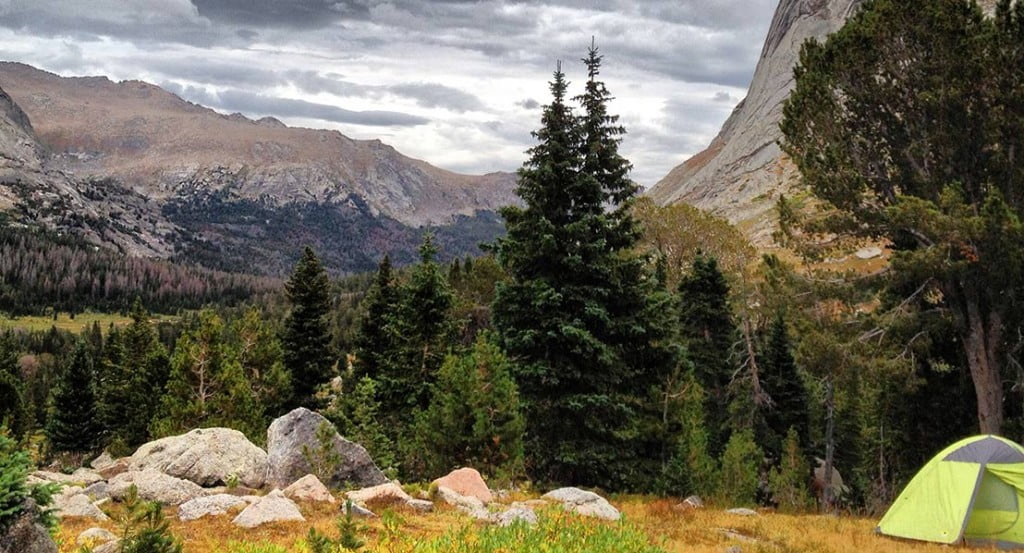
As with all public lands, dispersed camping follows Leave No Trace principles and specific forest guidelines designed to protect the landscape. Campers are encouraged to stay an appropriate distance from water sources and trails, pack out all waste and minimize their impact so these areas remain pristine for future visitors.
Camping in the Southern Shoshone
For travelers who prefer a more traditional campground experience, the southern portion of Shoshone National Forest offers a variety of scenic camping options near Dubois and the surrounding Wind River District. Highlights include:
- Brooks Lake Campground — Located near the western edge of the forest, this high-elevation campground provides access to mountain scenery, nearby hiking trails and excellent wildlife viewing opportunities.
- Eagle Creek Campground — A quieter option near Dubois that serves as a convenient basecamp for exploring nearby trails, fishing access and backcountry areas within the forest.
- Horse Creek Campground — Popular with anglers and travelers seeking a peaceful riverside setting, this campground offers easy access to scenic drives and outdoor recreation throughout the district.
Before traveling, it’s a good idea to check current conditions through the U.S. Forest Service or Recreation.gov for campground availability, seasonal closures and road conditions. Weather and snowmelt can affect access well into late spring and early summer.
Wildlife, Hikes and Mountain Adventures
Outdoor recreation in Shoshone National Forest ranges from short scenic walks to challenging backcountry routes through some of Wyoming’s most rugged terrain. Near Dubois, visitors can access trails leading into the Fitzpatrick Wilderness and surrounding portions of the Wind River and Absaroka mountain ranges, where alpine lakes, high mountain passes and expansive wilderness landscapes define the experience.
Popular adventures in the southern portion of the forest include scenic drives near Togwotee Pass, hiking and fishing access throughout the Wind River District and routes leading deeper into wilderness areas where wildlife sightings are common. Elk, moose, bighorn sheep and bears all inhabit the region, making wildlife viewing an unforgettable part of exploring this landscape.
Photography opportunities are exceptional throughout the year, particularly in autumn when golden aspens contrast against evergreen forests and rugged mountain peaks. Whether exploring for a few hours or several days, the area rewards travelers who slow down and spend time immersed in the landscape.
Places to Explore Near Shoshone National Forest
One of the greatest advantages of exploring Shoshone National Forest is its proximity to some of Wyoming’s most remarkable landscapes, scenic drives and Western communities. From Dubois, travelers can easily build an itinerary that blends wilderness, wildlife, history and small-town character.
- Yellowstone National Park — Accessible via scenic mountain highways to the northwest, Yellowstone makes an unforgettable day trip for visitors hoping to experience geothermal features, wildlife viewing and iconic landscapes.
- Grand Teton National Park — South of Yellowstone, Grand Teton offers dramatic mountain scenery, alpine lakes and additional outdoor recreation opportunities within reach of the greater region.
- Dubois — Often described as one of Wyoming’s most authentic Western towns, Dubois serves as a welcoming gateway to the forest with local restaurants, galleries, outfitters and museums that reflect the area’s ranching and outdoor heritage.
- National Bighorn Sheep Center — Located in downtown Dubois, this interpretive center highlights the region’s famous bighorn sheep herd and offers insight into the wildlife and conservation history of the area.
- Wind River Canyon — South of the forest, this striking canyon features towering rock walls carved by the Wind River and is especially popular for scenic drives and photography.
- Togwotee Pass and surrounding scenic byways — Mountain drives throughout the region provide sweeping views, wildlife viewing opportunities and access to hiking, fishing and backcountry recreation.
The Wind River Indian Reservation and the Surrounding Region
The southern edge of Shoshone National Forest borders the Wind River Indian Reservation, home to the Eastern Shoshone and Northern Arapaho tribes. The region’s history, culture and landscapes are deeply interconnected, and visitors are encouraged to approach the area with curiosity, respect and an appreciation for the communities that have called this place home for generations.
Throughout the broader region, travelers will find opportunities to learn more about Indigenous history and contemporary culture while exploring scenic landscapes, rivers and mountain terrain connected to the Wind River Range and surrounding wilderness areas. Taking time to understand the human history of the region adds meaningful context to the outdoor experiences that draw so many visitors to this part of Wyoming.
Quick Answers About Shoshone National Forest
Is Shoshone National Forest free to visit?
Generally, yes — there is no entry fee for Shoshone National Forest itself, unlike many national parks. Some developed campgrounds charge nightly fees, while dispersed camping is typically free in approved areas.
When is the best time to visit Shoshone National Forest?
July through September usually offers the most reliable access to roads, trails and campgrounds. Fall, particularly late September through mid-October, is known for colorful foliage, crisp weather and fewer visitors. Winter and early spring access can be limited by snow conditions.
Can you see wildlife in Shoshone National Forest?
Absolutely. The forest is home to grizzly bears, black bears, elk, moose, bighorn sheep and many other species associated with the greater Yellowstone ecosystem. Wildlife viewing opportunities are especially strong throughout the Wind River District and surrounding mountain landscapes.
Do I need a permit for dispersed camping in Shoshone National Forest?
In most areas, dispersed camping does not require a permit. However, some wilderness areas and special-use zones may have additional regulations or seasonal restrictions. Visitors should always check with the appropriate ranger district before traveling.
Is Shoshone National Forest good for families?
Yes — the variety of developed campgrounds, scenic drives, moderate hiking trails and wildlife viewing opportunities make the forest a great destination for families. As with all wilderness travel in Wyoming, visitors should familiarize themselves with bear safety and outdoor preparedness before heading out.
How does Shoshone National Forest compare to Yellowstone?
For travelers seeking a quieter experience, Shoshone National Forest offers expansive mountain scenery, abundant wildlife and wide-open recreation opportunities with far fewer crowds. While it does not feature Yellowstone’s famous geothermal areas, it provides a different kind of Wyoming experience centered on wilderness, solitude and outdoor adventure.
Are there maps available for Shoshone National Forest?
Yes — the U.S. Forest Service publishes maps for each ranger district, available online, at ranger stations and through many local outdoor retailers near the forest.
Final Thoughts
Shoshone National Forest offers a side of Wyoming that still feels expansive, unhurried and deeply connected to the landscape. From the mountain views surrounding Dubois to the forest’s alpine lakes, scenic byways and quiet backcountry trails, the region rewards travelers who take the time to slow down and explore.
Whether you’re planning a weekend camping trip, a family road trip or a longer outdoor adventure, the forest provides space to experience Wyoming at your own pace. Pack a camera, download your maps before heading into the mountains and leave room in your itinerary for the unexpected moments that often become the most memorable part of the journey.